
How the sector changes the fire protection
A sector changes three things about a building's fire protection: what can burn, what the code calls the occupancy, and when anyone is allowed in to test the systems.
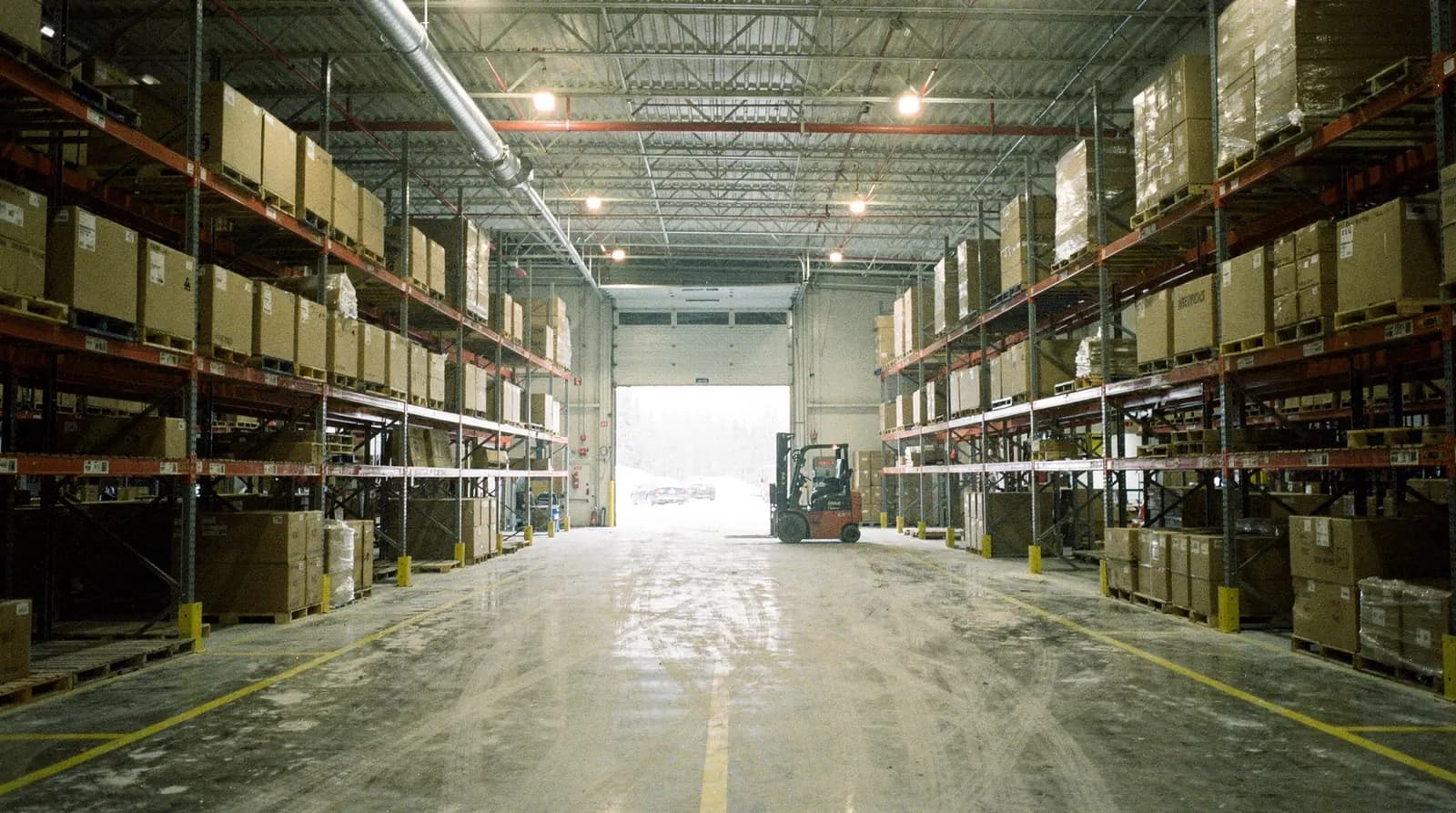
What can burn is the obvious one. A warehouse stacks plastic-packed goods to the roof, a machine shop holds quench oil, a food plant makes dust, a data hall holds cable and batteries. Each needs a different agent or a different water density, and sometimes water is the wrong answer altogether.
The occupancy comes from the National Building Code, which sorts buildings into groups. Hotels are Group C, hospitals B-2, theatres A-1, department stores and supermarkets E, and factories and warehouses fall into the F groups by hazard. The group decides which alarm, sprinkler, egress and lighting rules apply. It's also where a change of use catches people out.
Access is the quiet one. You can't test a hospital's alarm the way you test an empty warehouse's. You can't walk into a freezer, a cell block or a hotel room whenever you like either. The inspection schedule has to fit the building's life. The NFPA 25 frequency guide helps you plan those visits around the calendar the code sets.
The codes underneath stay the same across sectors. Alberta enforces the National Fire Code 2023 Alberta Edition and the National Building Code 2023 Alberta Edition, in force since May 1, 2024. Sprinklers are designed to NFPA 13-2019 and inspected to NFPA 25-2017, and fire alarms follow CAN/ULC-S524, S536, S537 and S561. What differs is how hard those rules bite. The fire code compliance guide explains the framework once, so the sector pages don't have to.
What these pages are, and aren't
Each page describes the sector's hazards, the codes that drive system choice and what a well-designed system looks like. Each ends with what Sterling can design, install and service, using only the services we list. None is a project list, and none claims finished work in that sector. The AHJ decides how the code applies to your building, and where interpretation varies we say so.
Finding your sector
Most buildings fit one page. The exceptions are the overlaps.
- A refrigerated distribution centre sits between warehousing and logistics and cold storage. Read cold storage first if the space is below freezing, because the sprinkler type changes.
- A plant that makes food has a dust and washdown problem before it has a warehouse problem, so start with food processing.
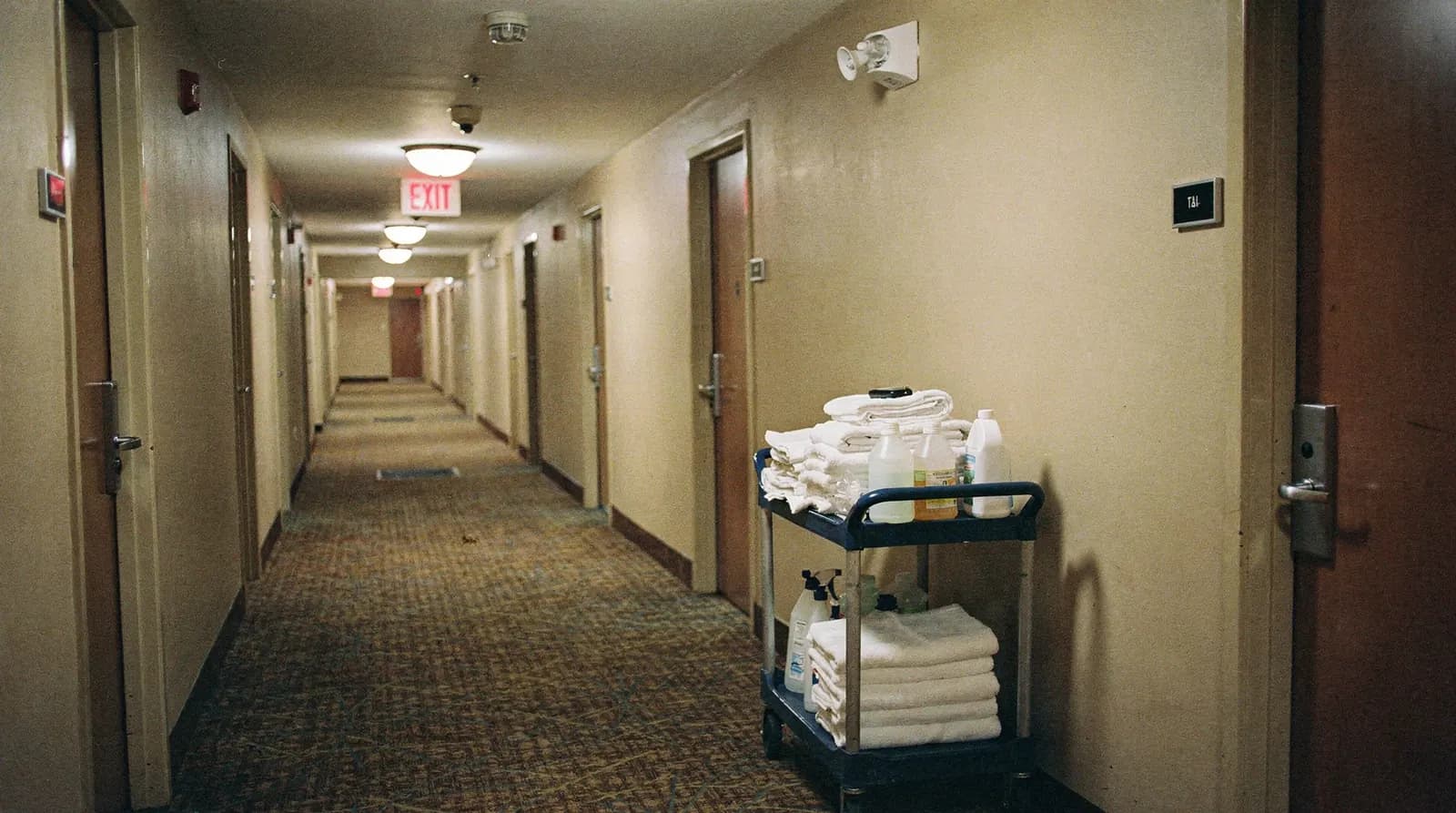
- A hotel with a restaurant and a ballroom is one building with three fire problems, and hospitality covers all three.
- A hospital campus with labs, a parkade and a data room starts with healthcare, then data and technology and transportation for the parts.
- A mixed-use tower turns on the sprinkler standard and the parkade. See residential and multi-family.
When two pages fit, start with whichever hazard the building was designed around.
Storage and production
- Warehousing and logistics: commodity class sets the sprinkler design. The page compares ESFR with in-rack protection and shows what a new tenant's racking does to an old system.
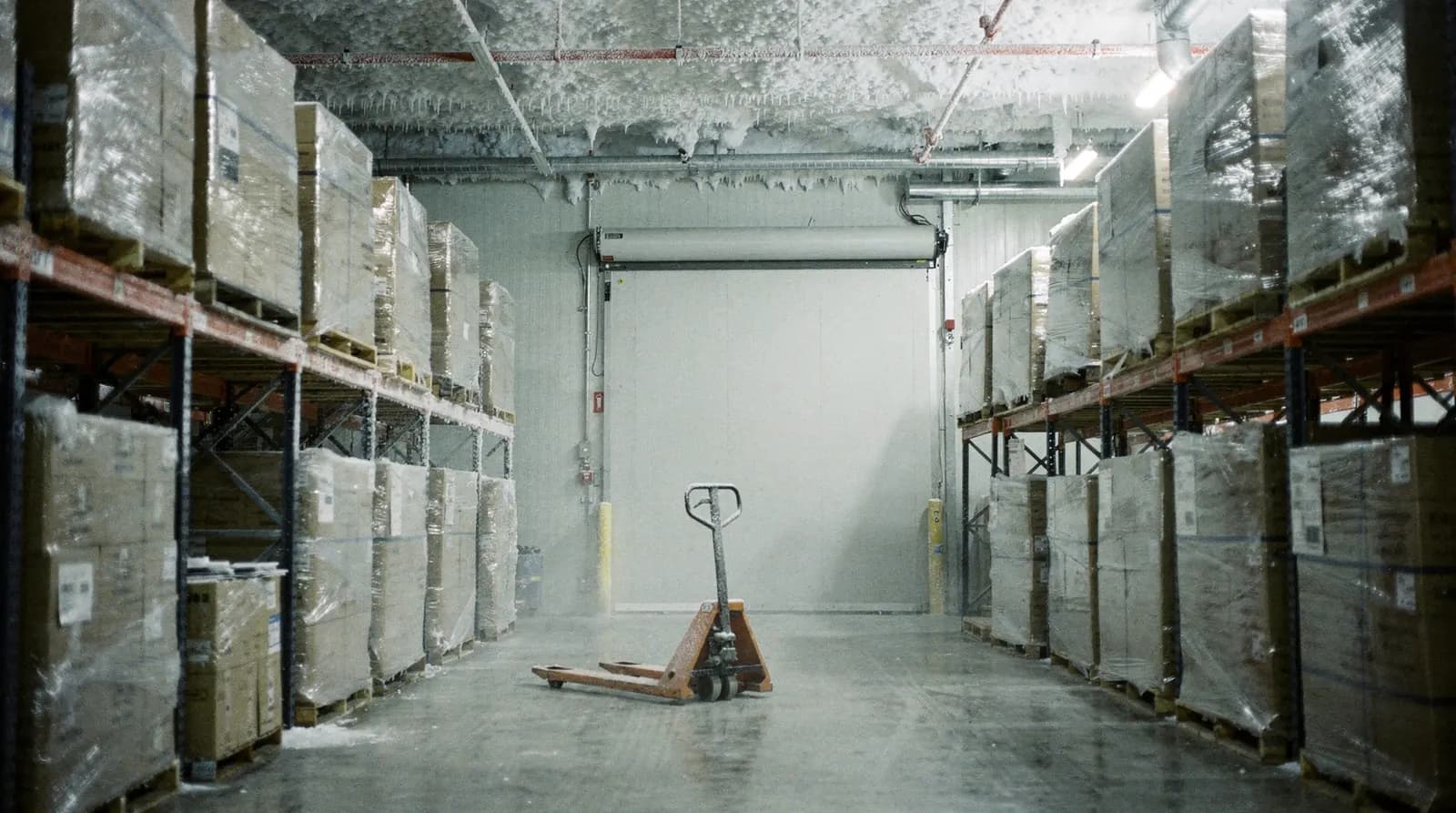
- Cold storage and refrigeration: freezers can't use wet pipe, so the questions are dry pipe or preaction, ice plugs, foam-core panels, and which parts of the refrigeration plant the fire code doesn't reach.
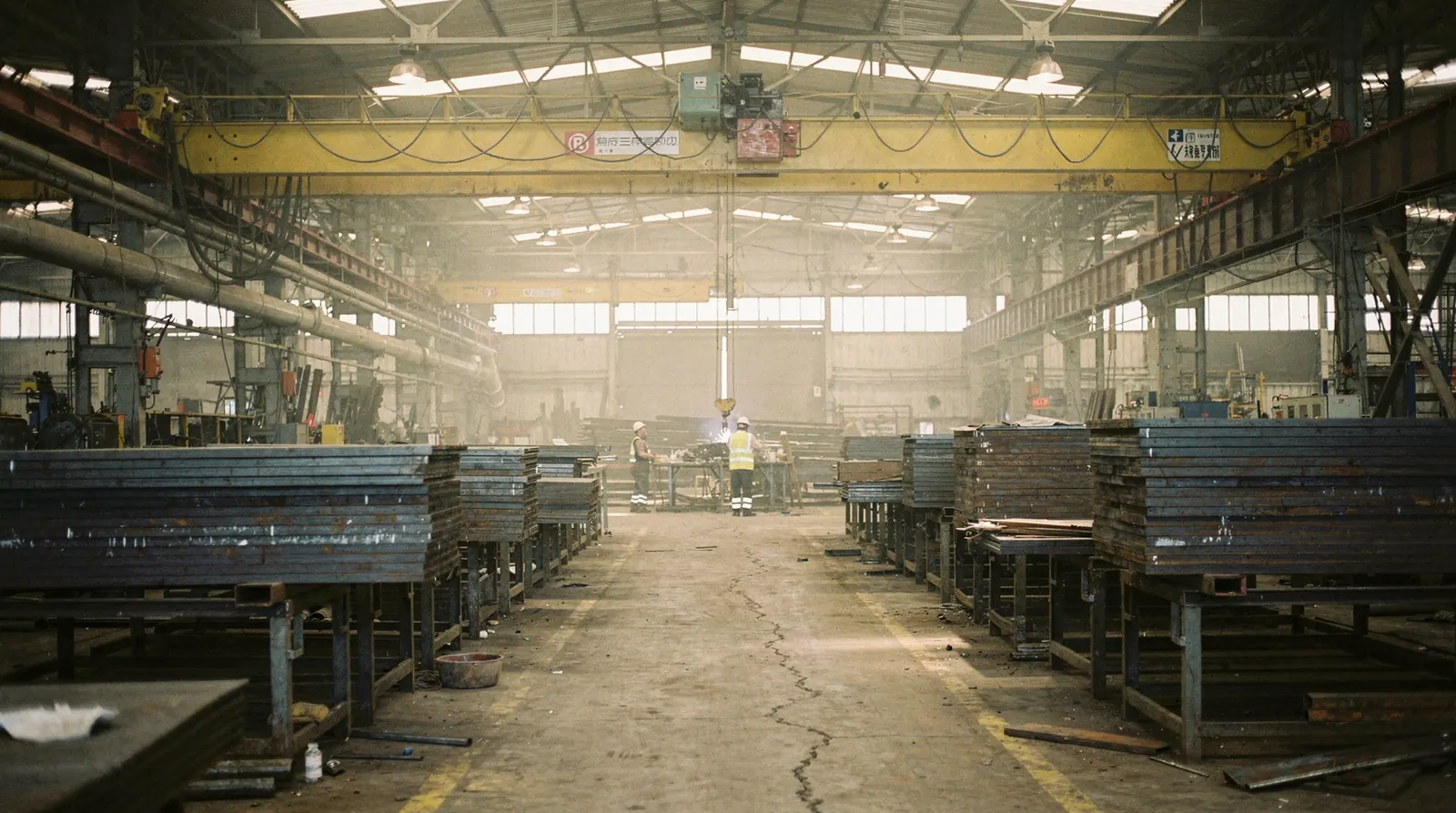
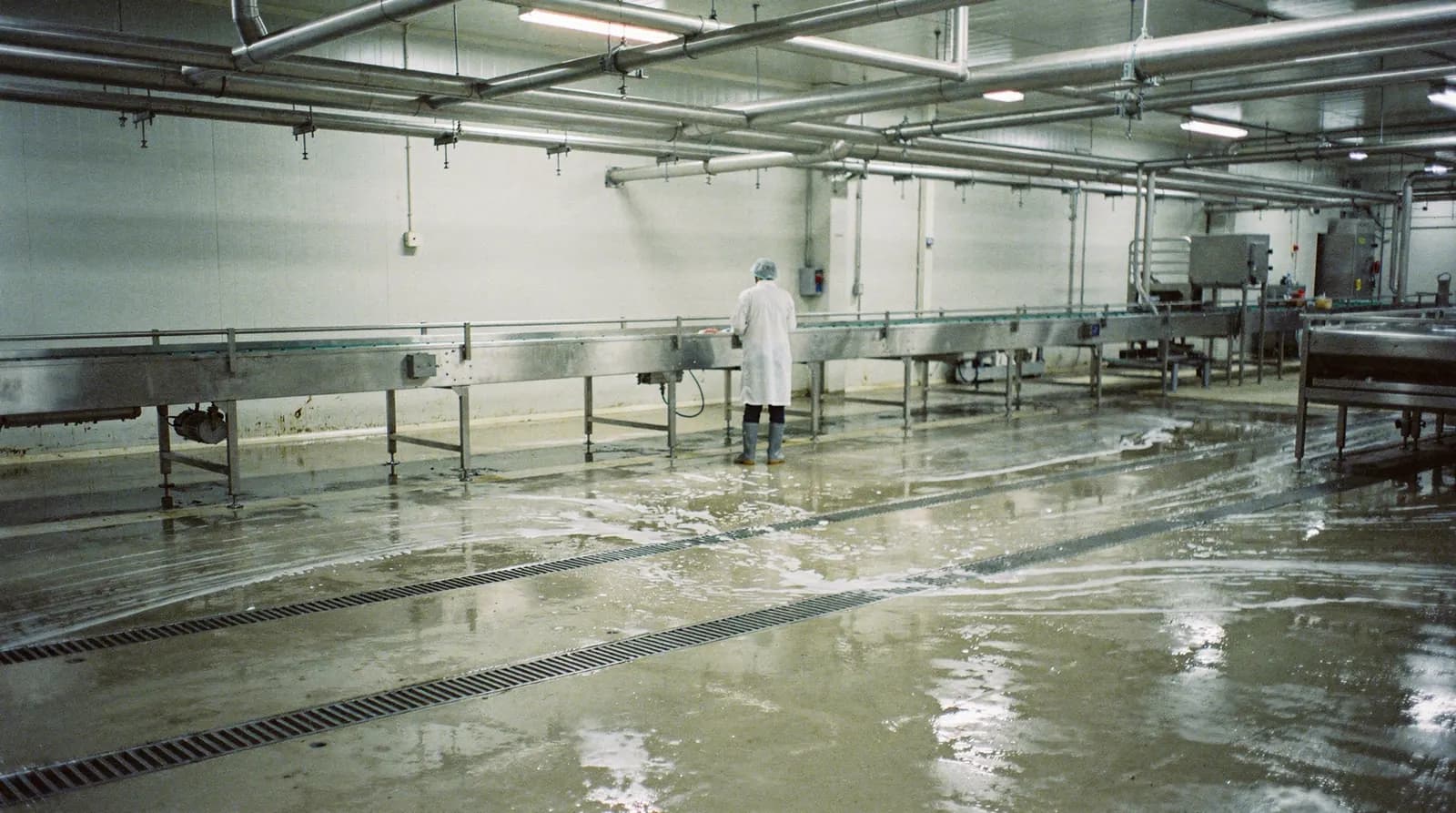
- Food processing: flour and sugar dust, washdown rooms that corrode sprinklers, fryers, and inspections that have to fit around sanitation.
- Industrial manufacturing: hazard classes, dip tanks and paint booths, quench oil, dust and hot work, plus the point where water stops being the right agent.
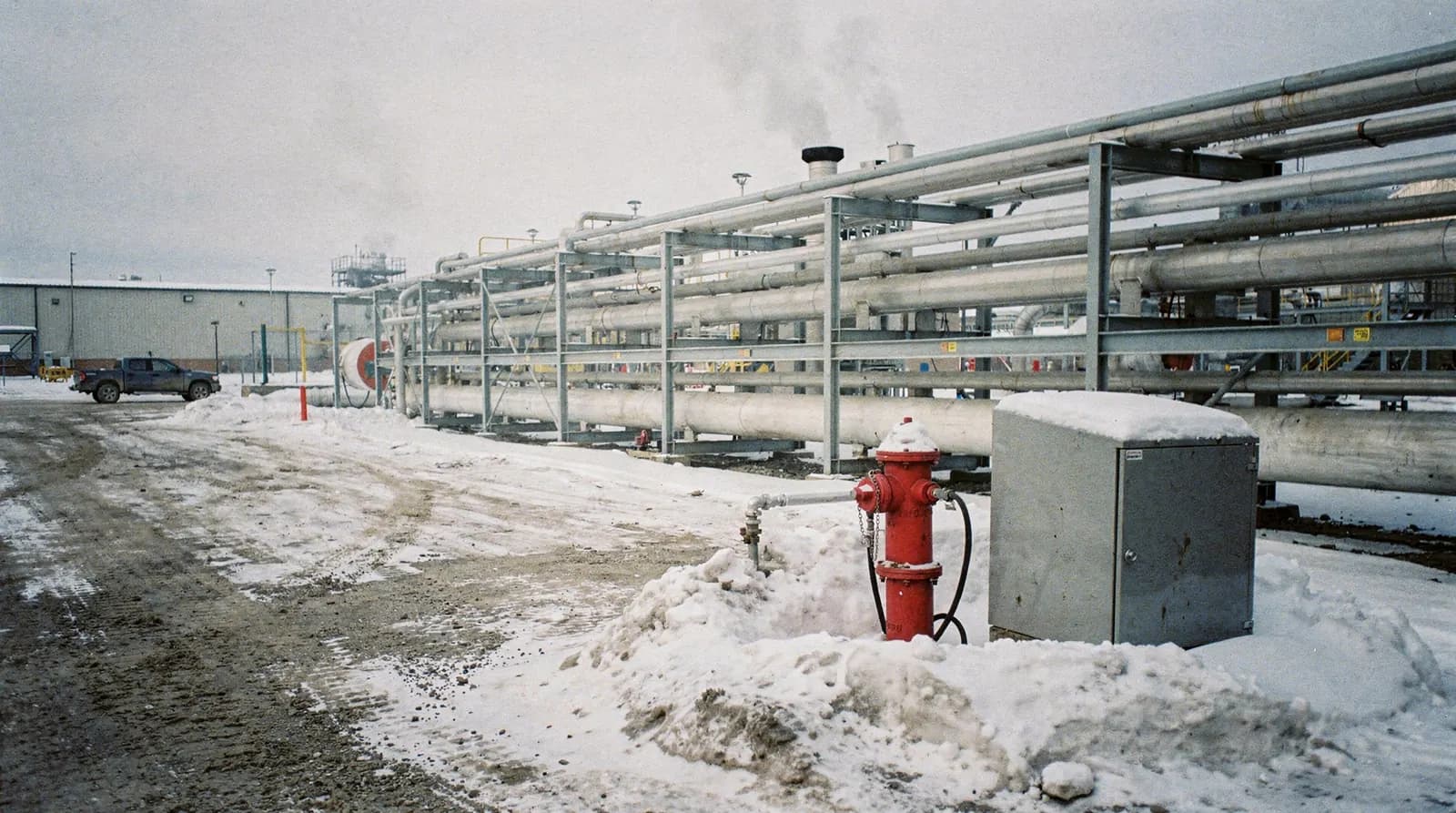
- Mining, oil and gas: who decides what applies on a resource site, then hazardous areas, foam and deluge, fire water in the cold, and camps.
Buildings people sleep, shop, learn and heal in
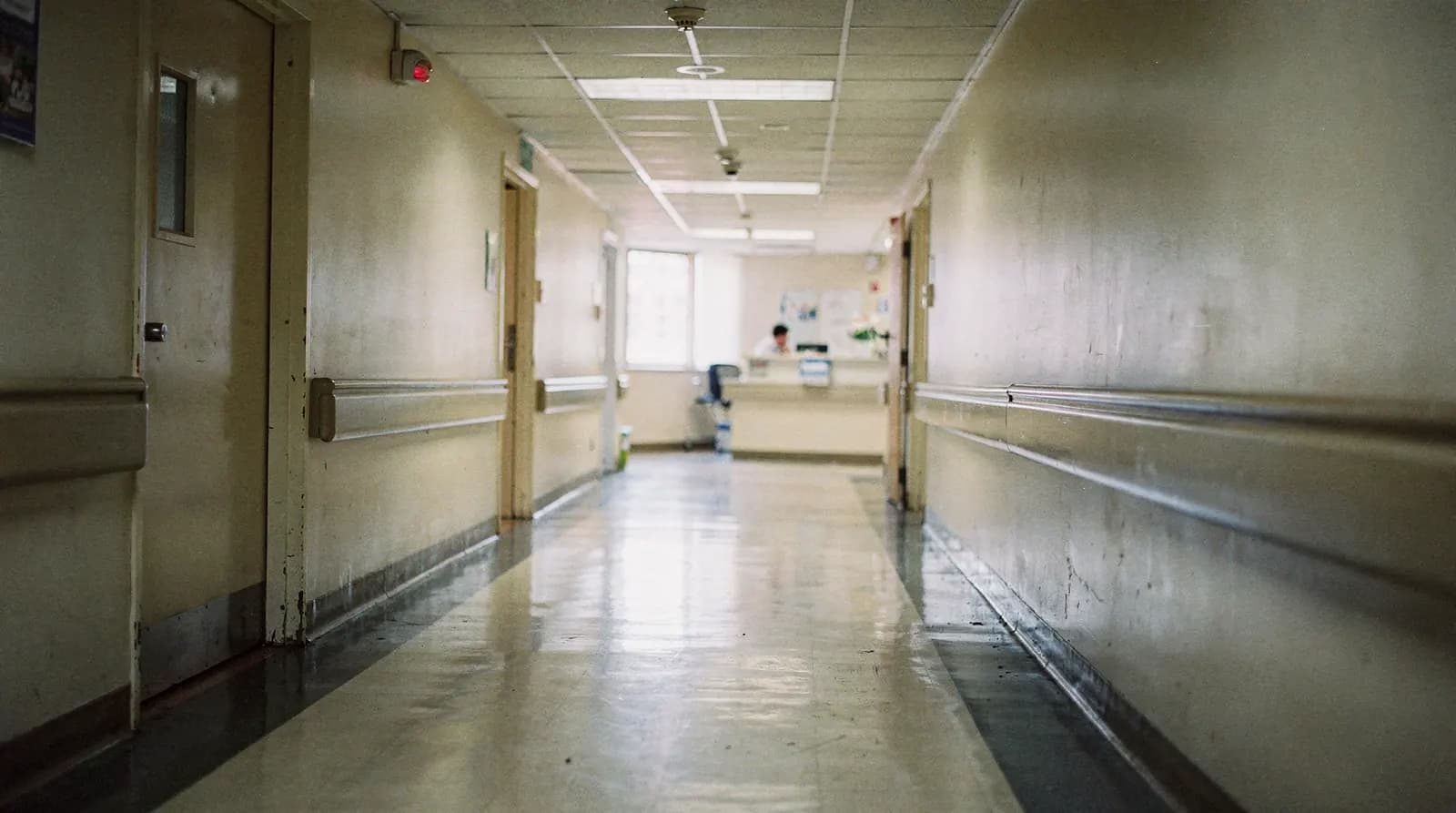
- Healthcare and life sciences: hospitals hold a fire in place instead of emptying, which changes everything from emergency power to when you can test an alarm.
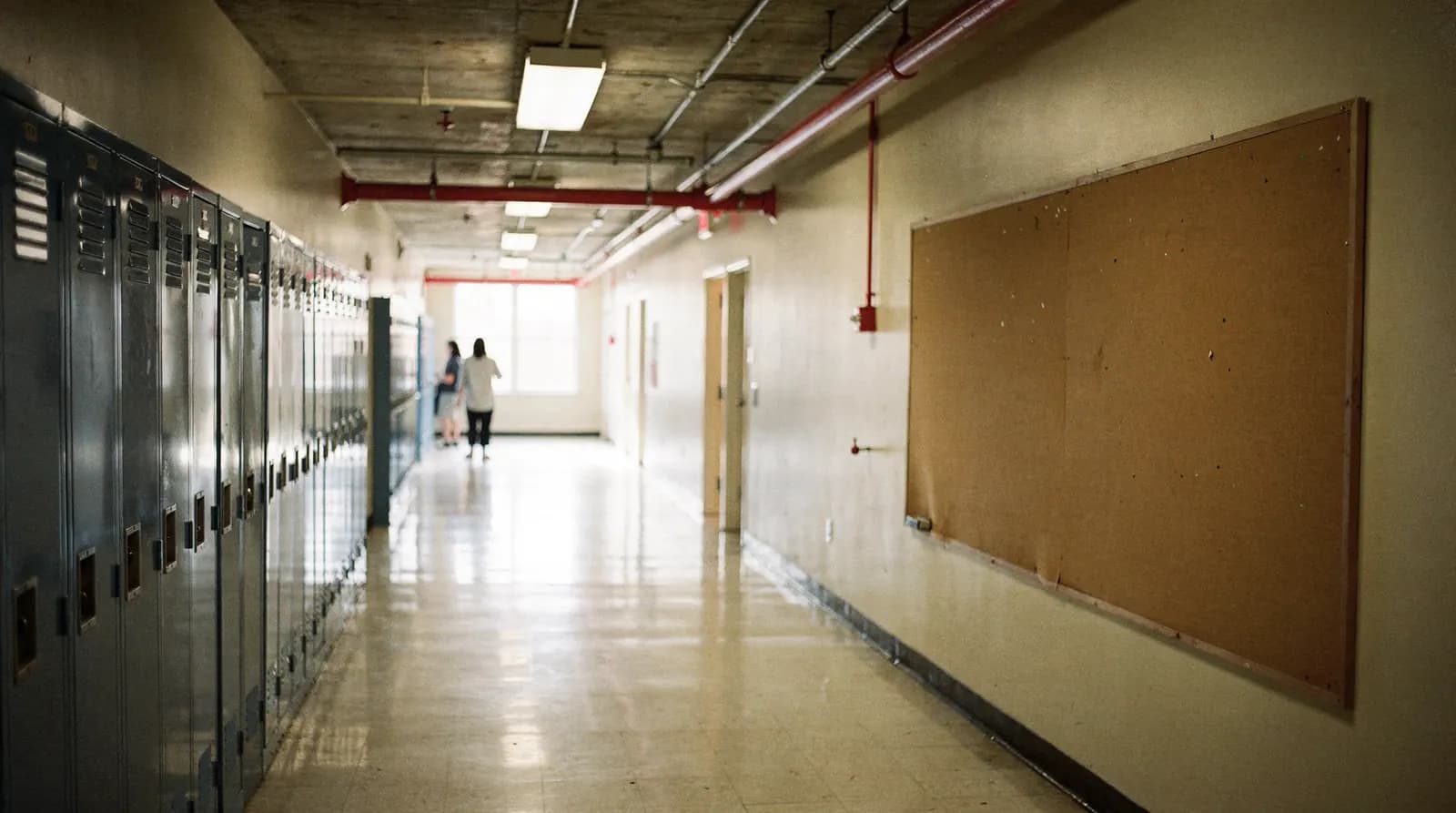
- Public and institutional: schools run on a drill calendar, campuses stack several occupancies, libraries and archives worry about water, and most of these buildings stay open during work.
- Hospitality and entertainment: sleeping guests and packed dark rooms are different problems. It covers the 18 m line for hotels, nightclubs and theatres, kitchens, and testing guest floors.
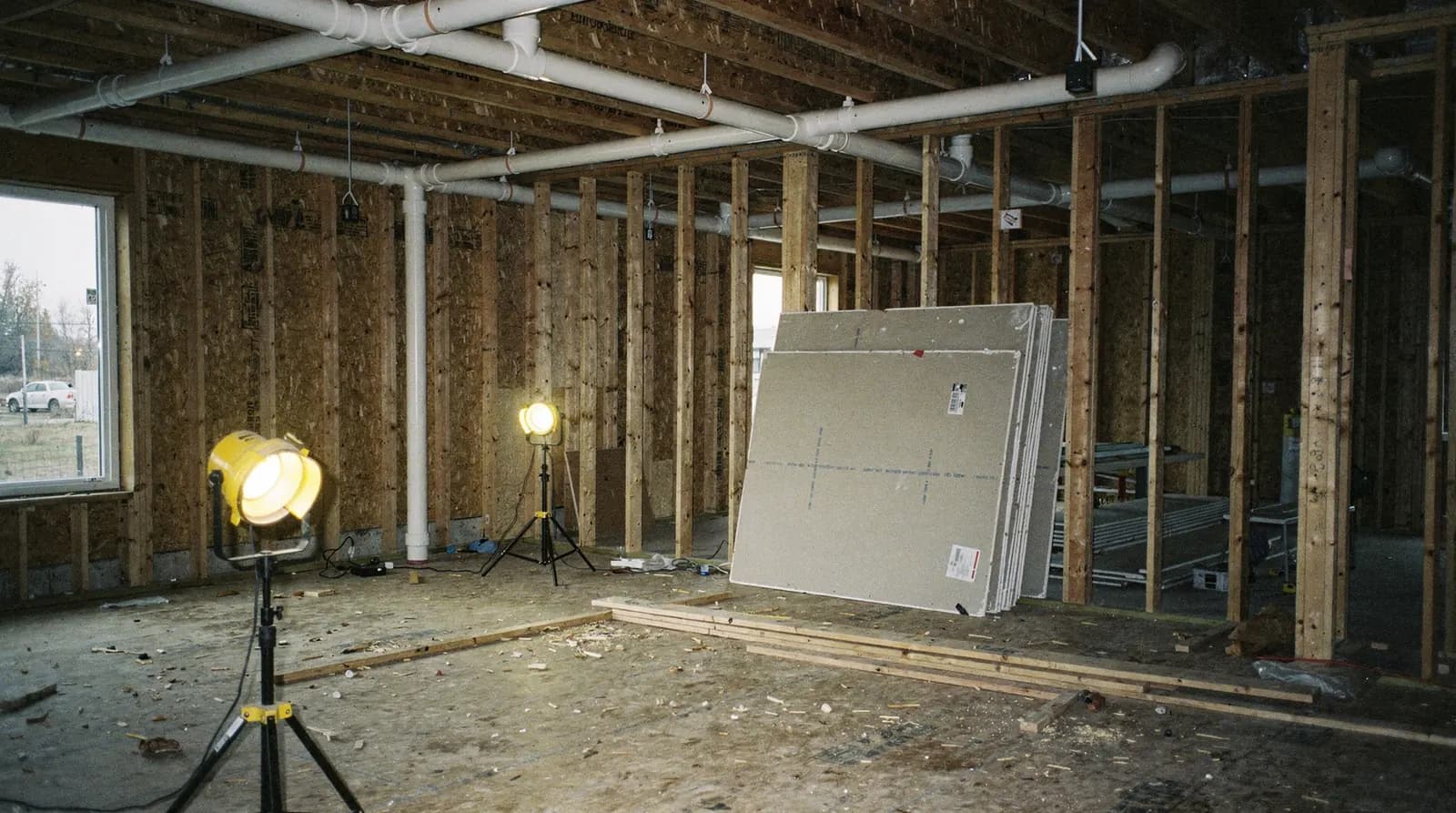
- Residential and multi-family: NFPA 13R against 13, where pipe freezes on balconies and in parkades, getting into every suite, and what a condo board inherits.
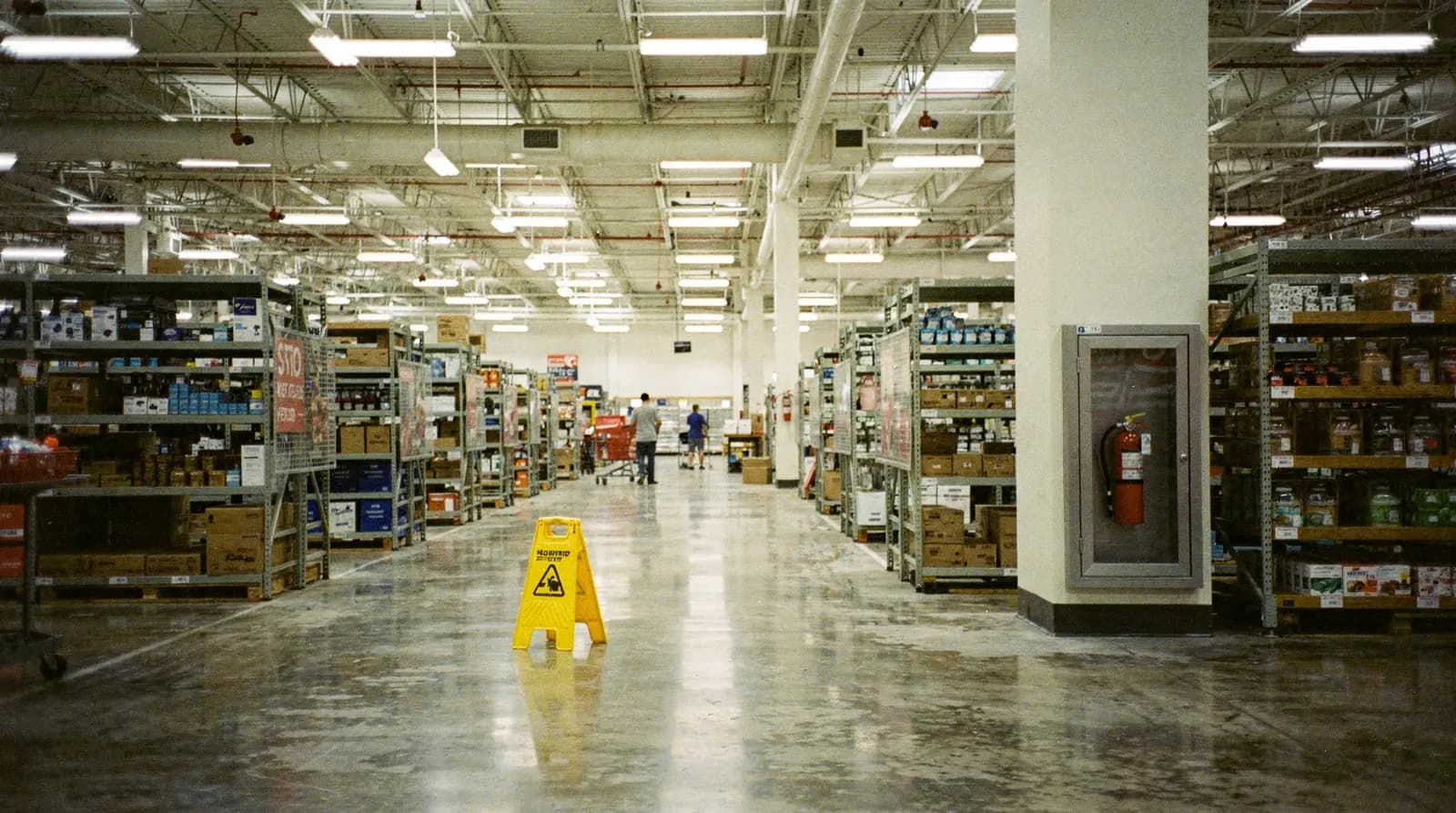
- Retail and commercial: a store's protection rarely fails on opening day. It fails when a tenant moves a wall or stacks higher, so the page covers big-box storage, tenant improvements and food courts.
Specialised structures
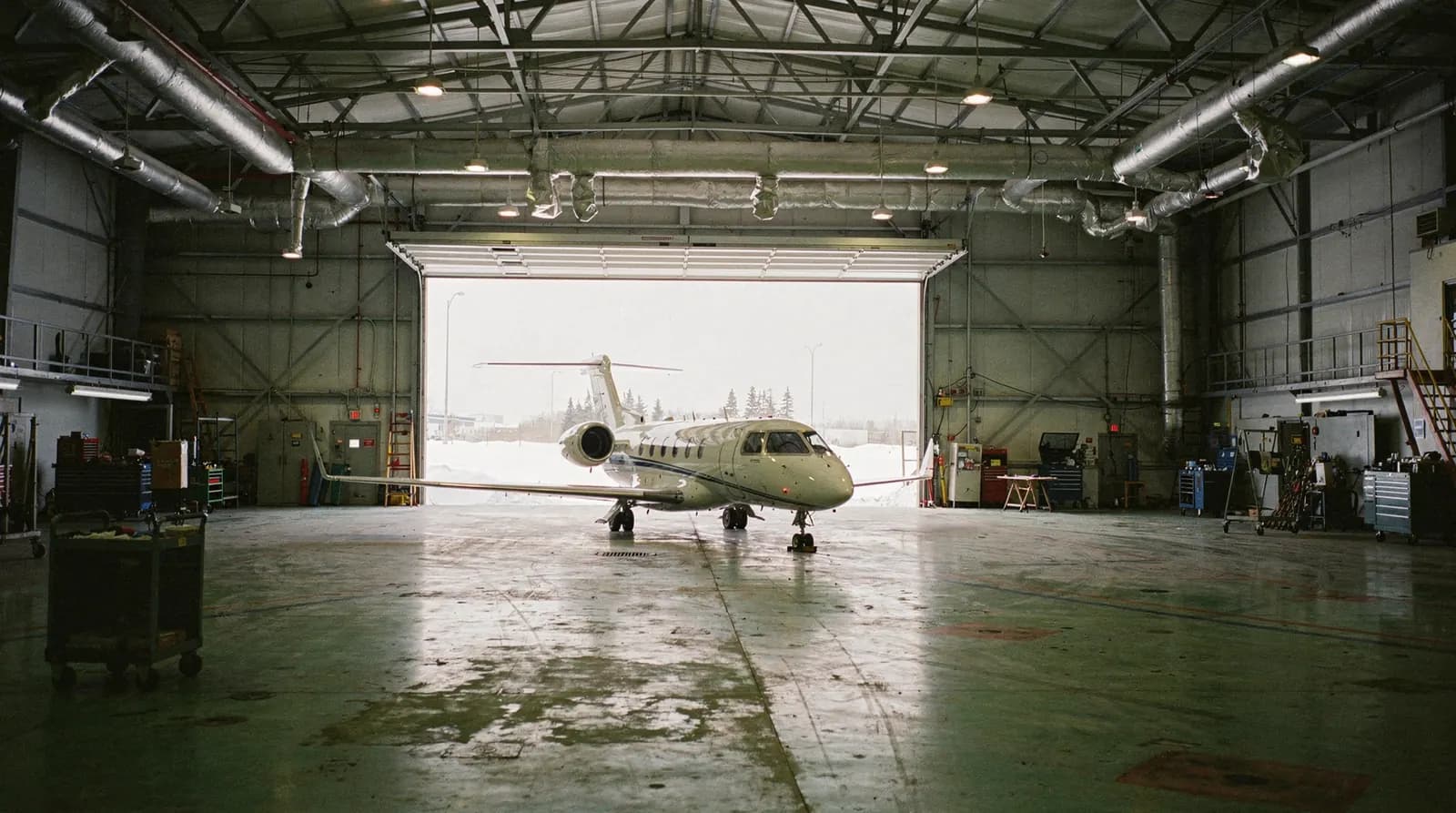
- Aviation and aerospace: hangars sorted by NFPA 409 group, then fuel spill drainage, flame detection and the foam-or-water decision.
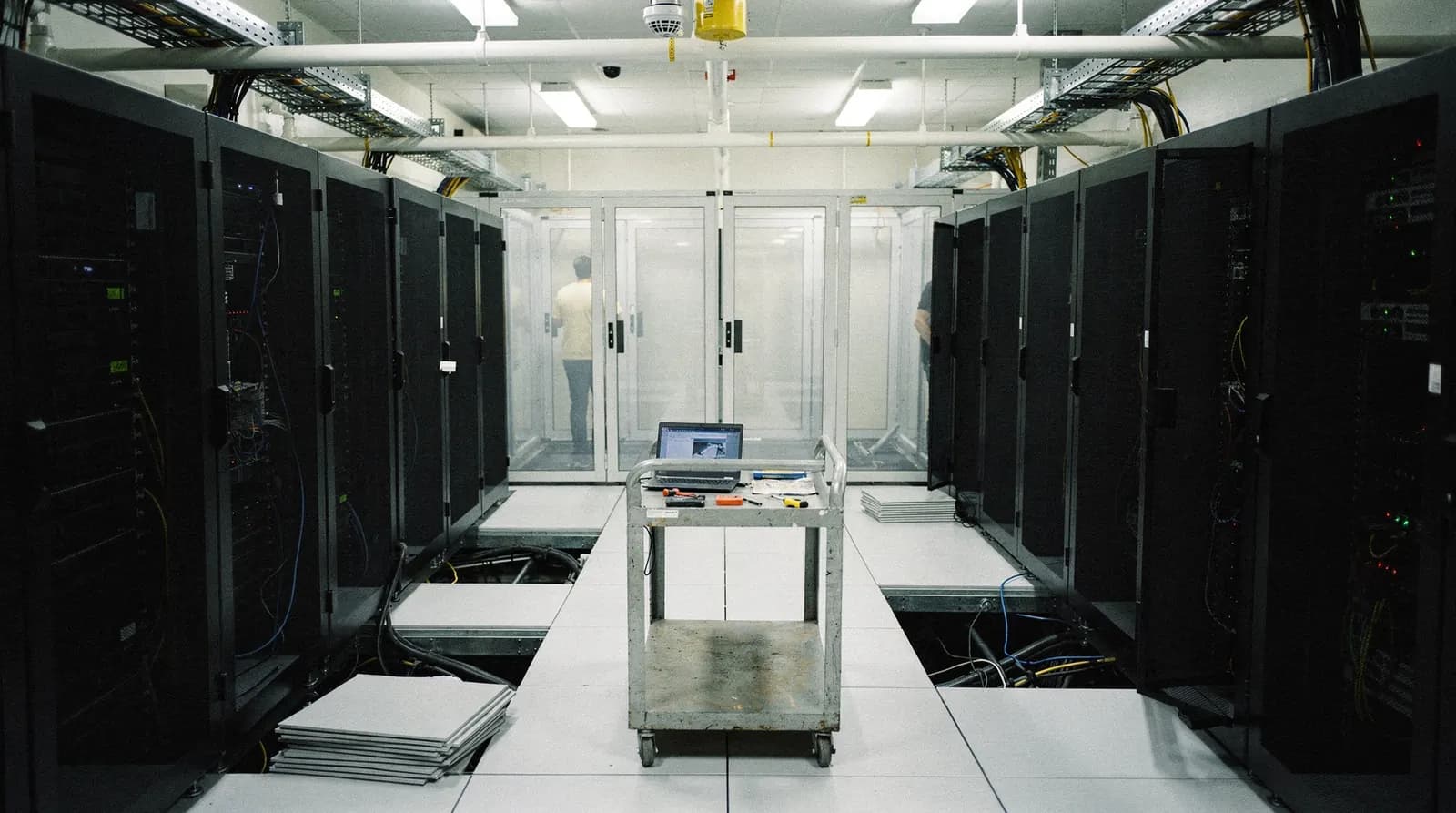
- Data and technology: preaction sprinklers against clean agent, room integrity and lithium-ion battery rooms.
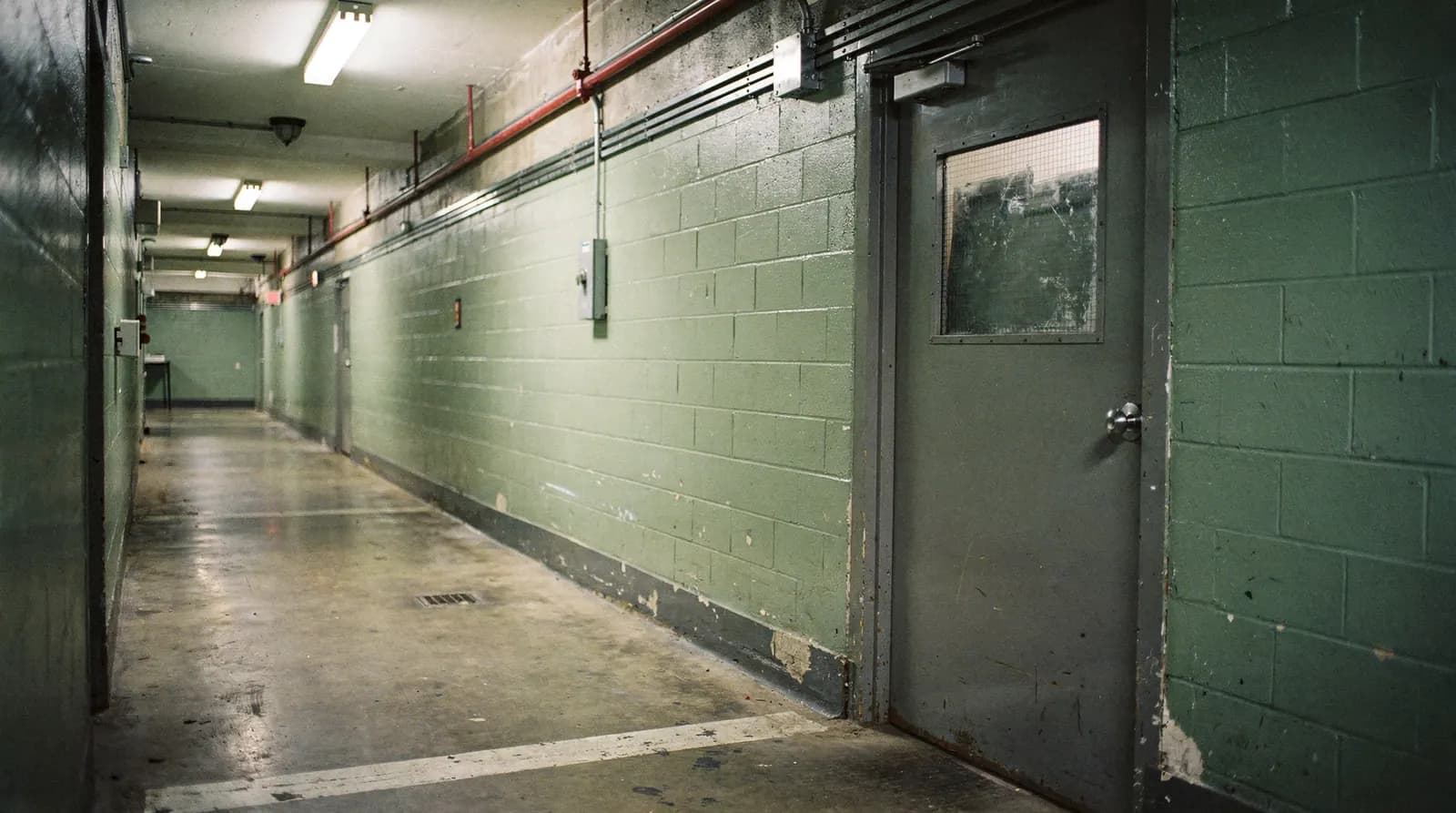
- Defence and security: locks that have to release in a fire, tamper-resistant heads, and testing where you can't simply walk in.
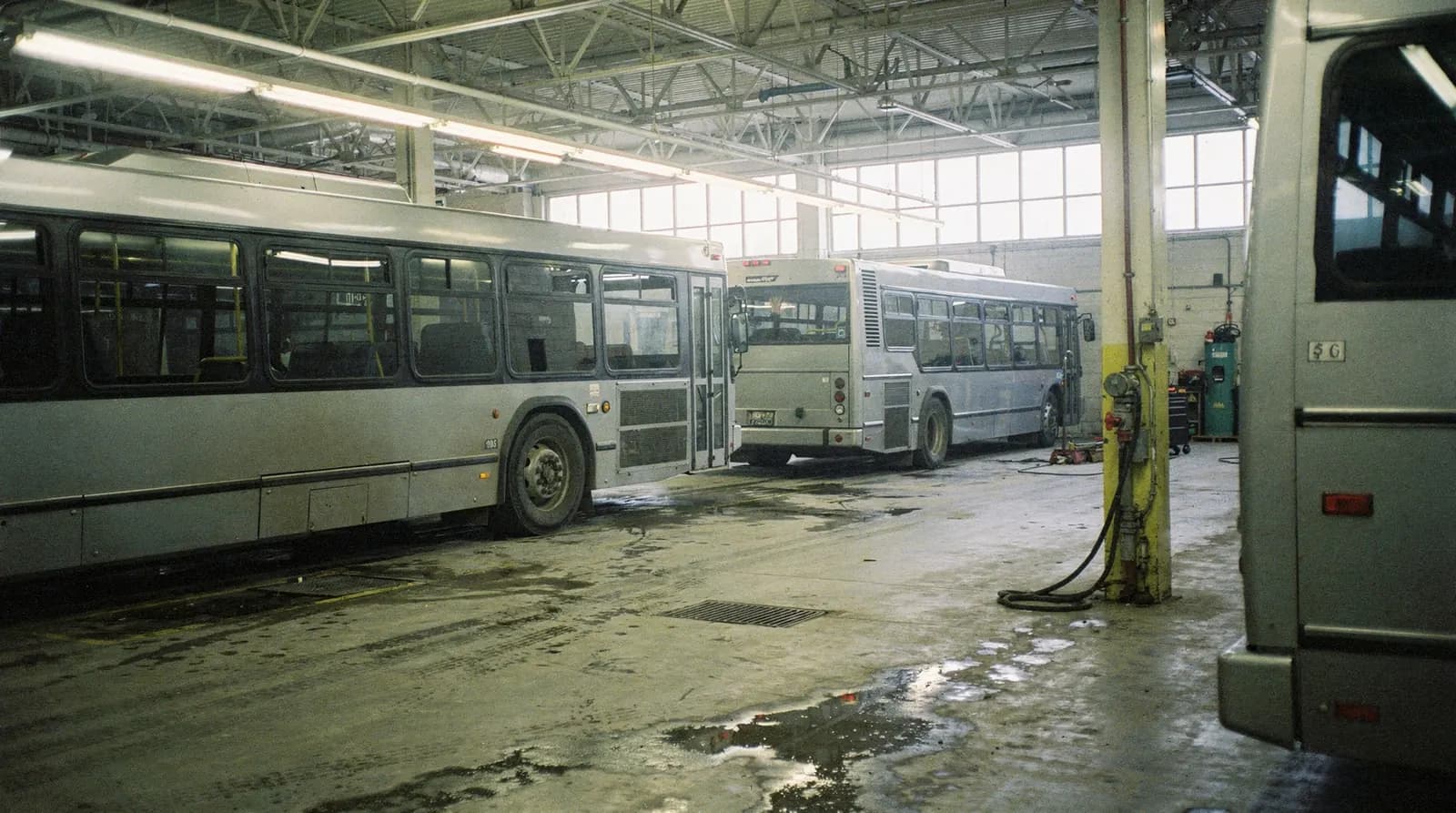
- Transportation and infrastructure: parkades, transit garages, tunnels and long structures, each under a different rulebook, with electric vehicles and cold in the mix.
What Sterling can do for any of them
The five services are the same in every sector: design, installation, inspection and maintenance, fire code consulting and 24/7 emergency repair. They act on seven systems, which the systems overview explains. What changes by sector is which systems the building leans on and how the work is scheduled.
And if your building isn't on this list? The same three questions still apply. What burns, what does the code call the occupancy, and when can we get in? Call 780.760.0806 or send the details through the contact page.
Sources
- National Fire Code 2023 Alberta Edition, National Research Council Canada
- National Building Code 2023 Alberta Edition, National Research Council Canada
- Building Code: Extracts from the National Building Code of Canada 2020, Aimlite, reproduced with NRC permission
- Fire codes and standards, Government of Alberta